
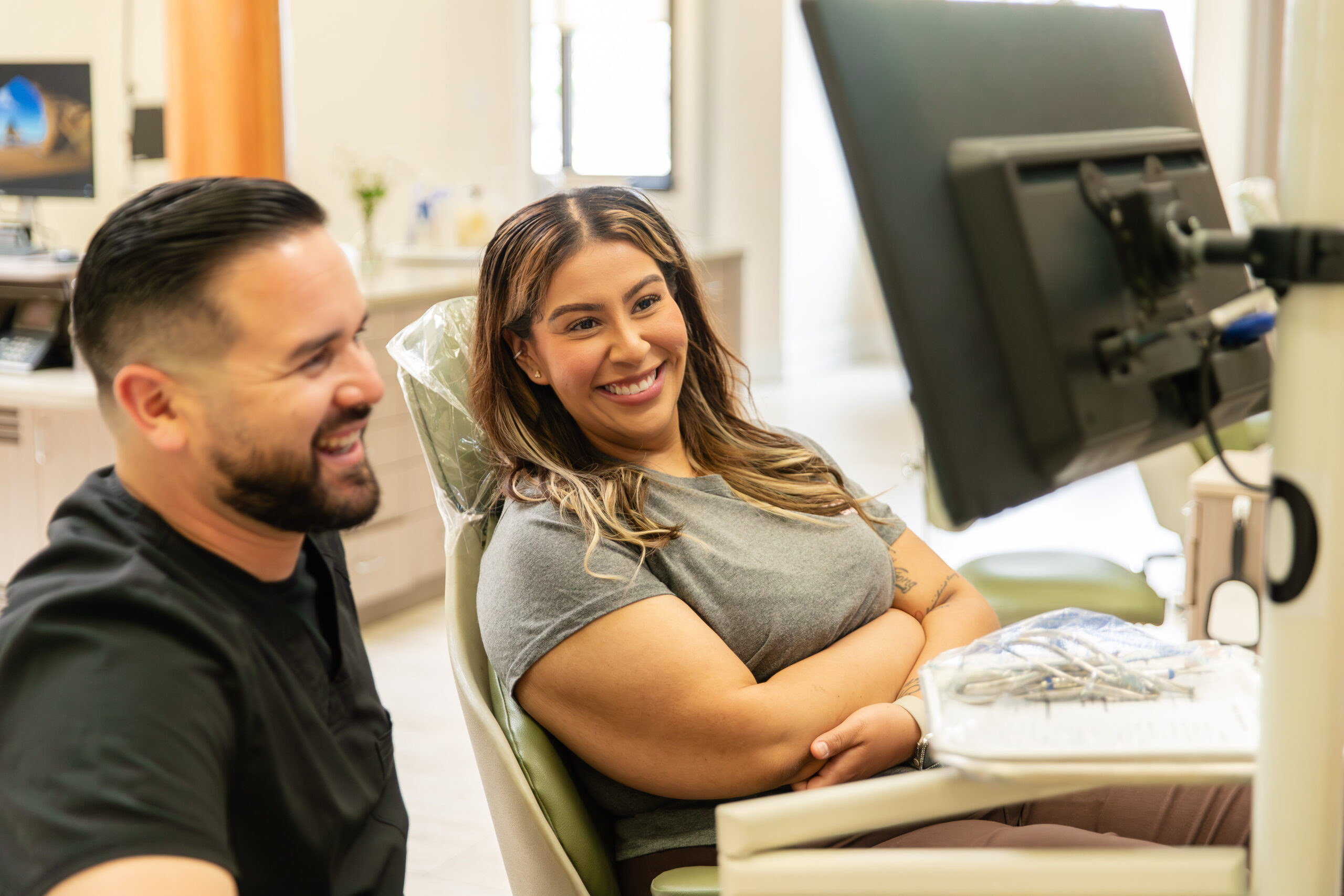
Short answer? No, it’s not too late. If you’re an adult wondering whether braces or orthodontic treatment is still an option at your stage of life, we have good news. Healthy teeth can be moved at nearly any age, and our team helps adults across Southern California straighten their smiles every day.
Let’s walk through what adult orthodontics really looks like today, your options, how to pay for treatment, and what to expect from start to finish.
What Does “Adult Braces” Really Mean Today?
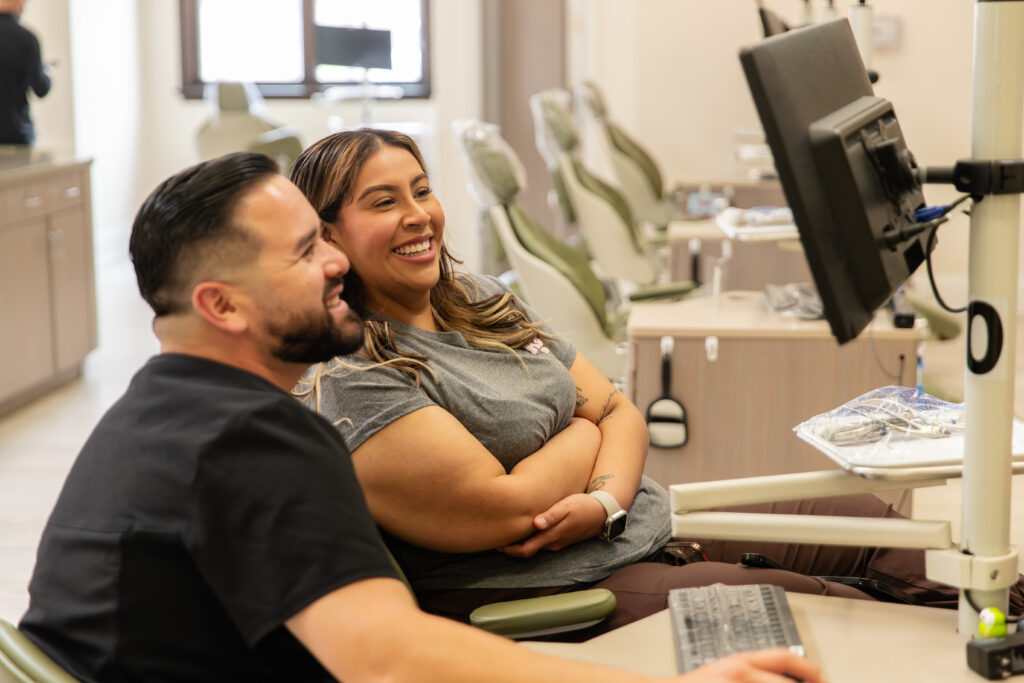
Adult braces refer to orthodontic treatment that moves teeth after jaw growth is complete, typically from age 18 onward. According to the American Association of Orthodontists, roughly 1 in 3 orthodontic patients today is an adult. That includes metal braces, clear braces, lingual braces, and clear aligners.
The quick takeaway: it’s not too late. As long as your teeth and gums are healthy, they can shift into better positions no matter your age.
More adults than ever are pursuing treatment, some for health reasons like bite correction, and others for the simple joy of finally having the smile they’ve always wanted. We see adults in their 20s, 40s, 60s, and beyond walk through our doors ready to begin something new.
How Adult Braces Work (and Why Age Isn’t the Barrier)
Teeth move through a biological process. Gentle, consistent pressure from braces or aligners signals the periodontal ligament around each tooth to remodel the surrounding bone. That process works in a 17-year-old and a 70-year-old alike.
Here’s what’s different for adults: your jawbones have stopped growing. For most people, that just means the orthodontist focuses on moving teeth within the existing bone structure. For complex skeletal issues (like a severe underbite), treatment may be combined with jaw correction handled by a specialist. The orthodontic principles remain the same across every age group.
Our doctors have guided adults through orthodontic care for many years. Here’s what your treatment typically looks like:
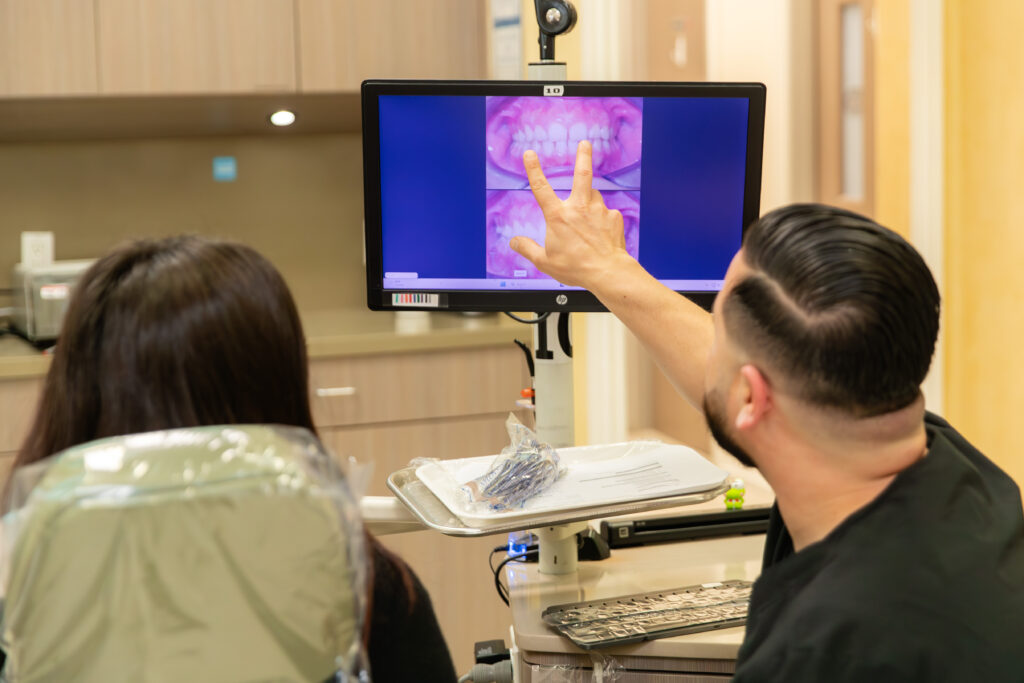
- Consultation and records. We start with a complimentary consult, digital scans, and a review of your goals.
- Customized treatment plan. Your orthodontist designs a plan around your bite, lifestyle, and budget.
- Active treatment. You wear braces or aligners and attend brief visits every 4 to 8 weeks for adjustments or new trays.
- Retention. Once teeth are in position, retainers hold them there, often for life, to prevent relapse.
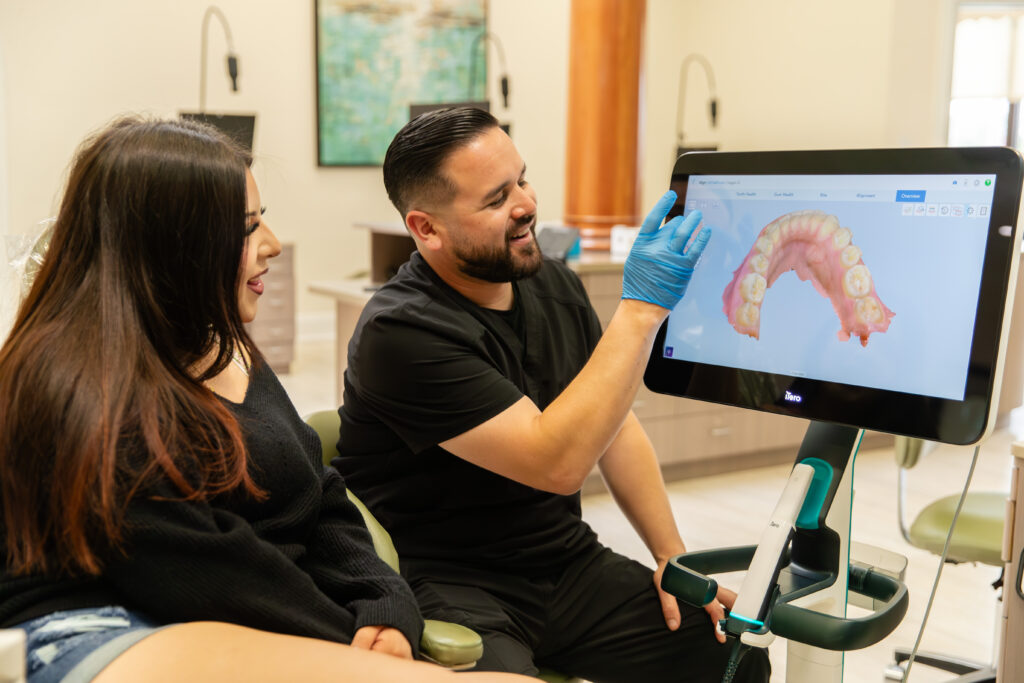
Modern tools have made the experience far more comfortable than it was a generation ago. Digital scans replace goopy impressions. 3D imaging lets us preview your results before you begin. Most adult cases take between 12 and 24 months, depending on complexity, and progress visits are often shorter than people expect.
Benefits of Getting Braces as an Adult
Straightening your teeth as an adult pays off in more ways than people often realize. Here are the biggest benefits our team sees in adult patients across every stage of life.
How Do Braces Improve Oral Health?
Straight teeth are much easier to brush and floss. When teeth are crowded or overlapping, plaque hides in places your toothbrush can’t easily reach, which raises your risk of decay and gum disease over time. Correcting alignment also helps distribute biting forces evenly, which protects enamel from uneven wear and reduces the chance of cracked or chipped teeth years down the road. Many adults also find their gum health improves within months of starting treatment.
What About Bite Function and Daily Comfort?
Correcting an uneven bite can reduce jaw strain, tension headaches, and uneven wear on your teeth. People who have struggled with clicking jaws or morning soreness often notice meaningful relief as their bite comes into balance. A properly aligned bite also makes chewing more efficient and can even improve speech clarity in some cases, especially when crowding or spacing has affected how your tongue meets your teeth.
Beyond health, here are a few more benefits worth knowing about:
- A confidence boost. Many adults tell us they wish they’d done it sooner, and the lift in self-image shows up in photos, meetings, and everyday interactions.
- Discreet options. Clear aligners and clear braces let you straighten your teeth without broadcasting it to every coworker and client.
- Reversing years of shifting. If you had braces as a teen but stopped wearing your retainer, adult treatment can reset things, often faster than the first round.
- A long-term investment. Preventing future bite issues, cracked teeth, and gum concerns can help you avoid more involved dental work down the road.
Adults also tend to be more consistent with wearing aligners, keeping visits, and following care instructions. That focus often translates into excellent results and shorter overall treatment times.
Comparing Adult Treatment Options: Metal, Clear, Lingual, and Clear Aligners
The best option depends on your case, your lifestyle, and your budget. We offer several options so you can choose what fits you best.
| Option | Visibility | Best For | Lifestyle Fit |
|---|---|---|---|
| Metal braces | Most visible | Complex cases, big movements | No removal needed, very durable |
| Clear braces (ceramic) | Tooth-colored, blends in | Moderate to complex cases wanting a lower profile | Slightly more fragile, avoid staining foods |
| Lingual braces | Hidden behind teeth | Adults who want invisibility and have the budget | Takes short adjustment period for speech |
| Clear aligners (Spark®) | Nearly invisible | Mild to moderate cases, disciplined wearers | Removable for eating and brushing, 20 to 22 hrs/day wear |
| Self-ligating braces | Metal or clear | Patients wanting fewer, shorter visits | Smoother brackets, often faster adjustments |
A few things to keep in mind:
- Clear aligners work well for many adults, but they require commitment. You have to wear them 20 to 22 hours a day for the plan to track.
- Lingual braces are the most discreet option out there, but they require a short adjustment period for speech.
- Metal braces are still the workhorse for complex cases. They’re the most durable and effective for big tooth movements and remain a reliable choice.
Not sure which fits? That’s exactly what your complimentary consult is for. Our doctors will walk you through the pros and cons based on your specific smile, bite, and daily routine.
Cost of Adult Braces
The cost of adult braces depends mainly on the appliance you choose and the complexity of your case. Your orthodontist will go over your options and a personalized plan at your consult.
Several factors influence your final cost:
- Case complexity and how much movement is needed
- Total treatment length
- Type of appliance you choose
- Provider experience and location
Many dental plans include adult orthodontic benefits, and you can also use HSA or FSA funds toward treatment. Our team offers in-house payment plans and works with financing partners to make treatment fit your budget.
Are You a Candidate? Who Benefits Most from Adult Braces
Most adults in good oral health are candidates for braces. The key is a healthy foundation: strong gums, enough bone support, and no untreated decay.
Here’s who tends to benefit most from adult orthodontic care:
- Adults dealing with crowding or spacing issues
- People with an overbite, underbite, or crossbite affecting their bite
- Former braces-wearers whose teeth shifted after losing their retainers
- Adults in their 20s through their 70s (and beyond, since there’s really no upper age limit)
- Anyone who wants to improve both function and appearance
A few considerations to think about first:
- If you have active gum disease, that needs to be treated before braces begin.
- Prior restorative work like crowns, bridges, or implants can be worked around with careful planning.
- Severe skeletal issues may require combined orthodontic and specialist care, which your orthodontist will discuss during your consult.
Our doctors will evaluate your bite, teeth, gums, and goals during your complimentary consult and let you know honestly whether braces alone will get you there or if a combined approach makes more sense for your situation.
Frequently Asked Questions About Adult Braces
Is 25 too late for braces?
Not at all. Adults in their 30s, 40s, 50s, and even into their 70s successfully complete orthodontic treatment every year. As long as your teeth and gums are healthy, your age isn’t a barrier. If anything, 25 is on the younger end of the adult patients we see every week.
When should an adult get braces?
Any time your oral health allows it. The sooner you start, the less time your teeth have to continue shifting or wearing unevenly. If you’re thinking about it, a complimentary consult is a great first step to understanding your options and timeline.
How long will treatment take?
Most adult cases take 12 to 24 months, though some simpler cases finish sooner and complex ones take longer. Your orthodontist will give you a realistic timeline during your consult based on your specific case, goals, and chosen appliance.
Will braces affect my work or speech?
Only briefly, if at all. Clear aligners and lingual braces are the least noticeable options for professional settings. With any appliance, you may notice a short adjustment period for speaking (usually a few days to a week), but most adults adapt quickly and continue work and social life without any real disruption to their daily routine.
Ready to Take the Next Step?
If you’ve been thinking about straightening your smile, there’s no better time than now. Schedule your complimentary consult with Dr. Lili & Associates today, and let’s talk about which option fits your smile, your schedule, and your budget.